CRNA
Nurse anesthesia is an advanced clinical nursing specialty. As anesthesia experts, CRNAs safely administer more than 50 million anesthetics to patients each year in the United States. As advanced practice registered nurses, CRNAs are among the nation’s most trusted professions according to Gallup. Nurses have topped Gallup’s Honesty and Ethics list for 20 consecutive years and are ranked second in U.S. News & World Report’s 2021 “Best Health Care Jobs” report.
A student must complete an accredited nurse anesthesia educational program. Upon successful program completion, the graduate must pass the National Certification Exam given by the National Board of Certification and Recertification for Nurse Anesthetists to become a CRNA.
This program results in the awarding of the Doctor of Nurse Anesthesia Practice degree. The program includes 36 months of coursework including both classroom and clinical experiences.
Classroom curriculum emphasizes anatomy, physiology, pathophysiology, biochemistry, chemistry, physics, and pharmacology as related to anesthesia. An emphasis on research prepares the graduate to implement evidence-based practice in the clinical setting.
Clinical education provides experience with a variety of anesthesia techniques and procedures for all types of surgery and obstetrics. This will be hands-on and take place at various local and regional medical facilities under the supervision of CRNAs and physician anesthesiologists. The clinical instruction of students includes all types of anesthesia including general, regional, and pain management.
Admission
Program Format and Structure
Tuition and Financial Aid
More Than Academics. It's a Community.
Honors isn't just about challenging classes. It's about the people you meet, the experiences you share, and the memories you make along the way. We like to say it's a 40-year program.
Life in Honors
Moments from our community
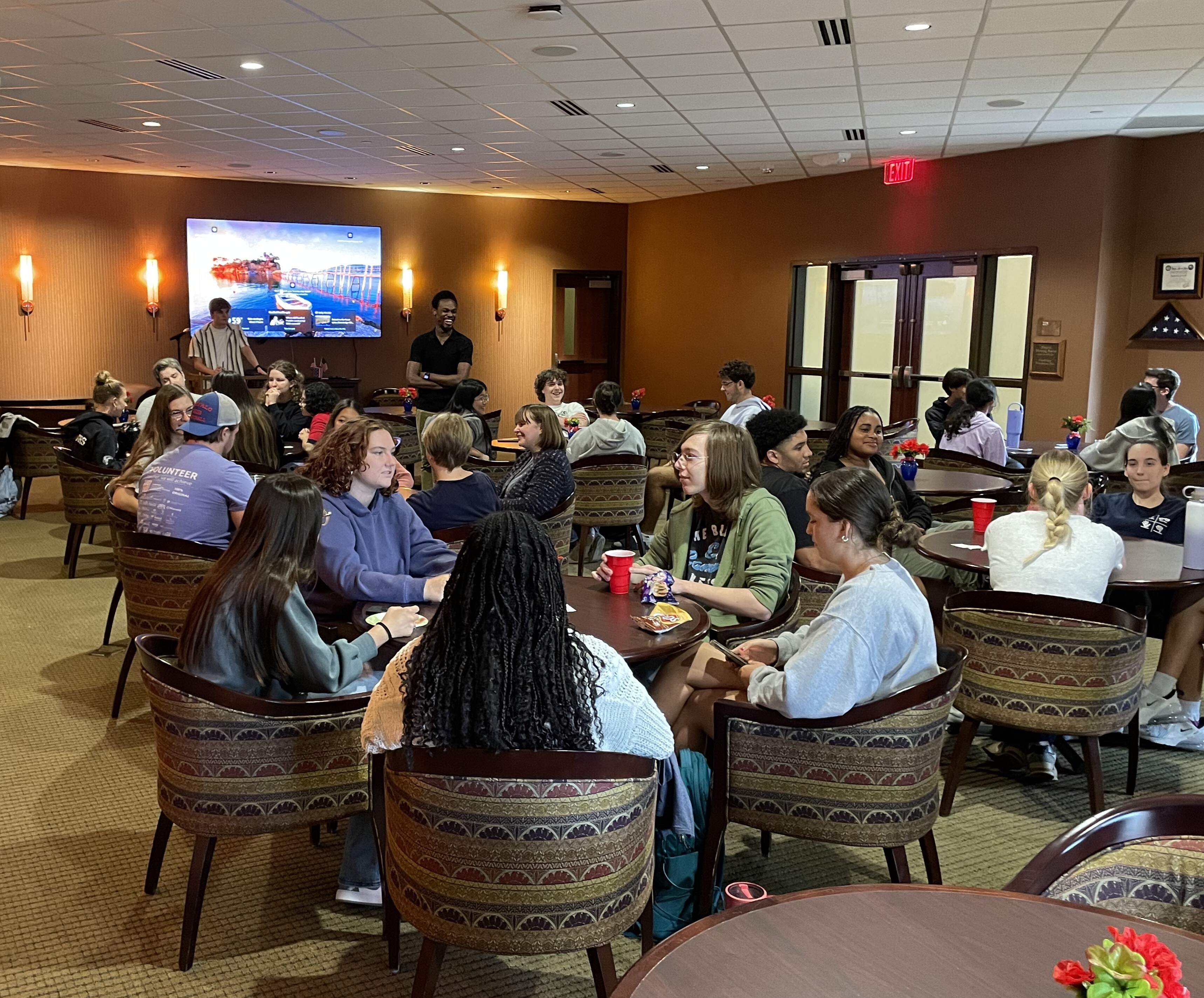 Speed Friending
 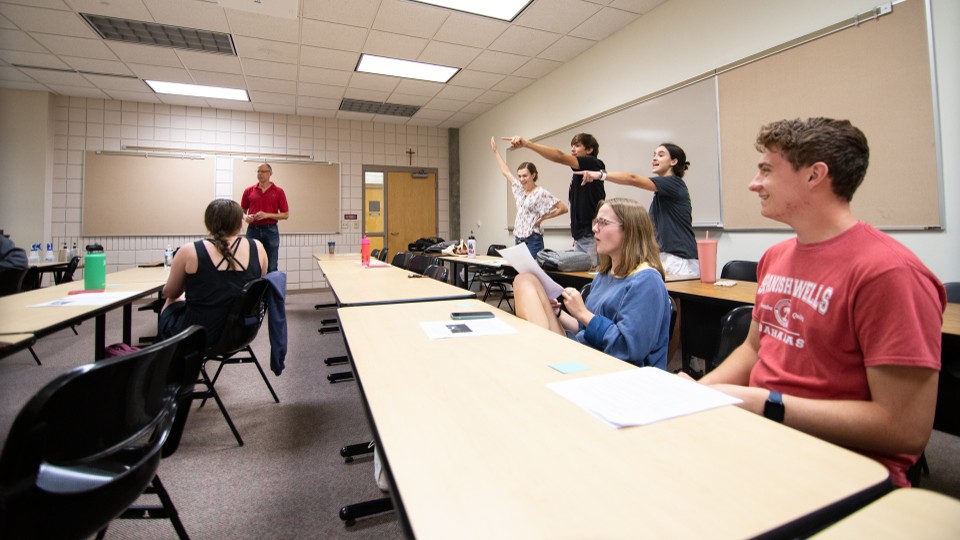 Freshman Seminar
 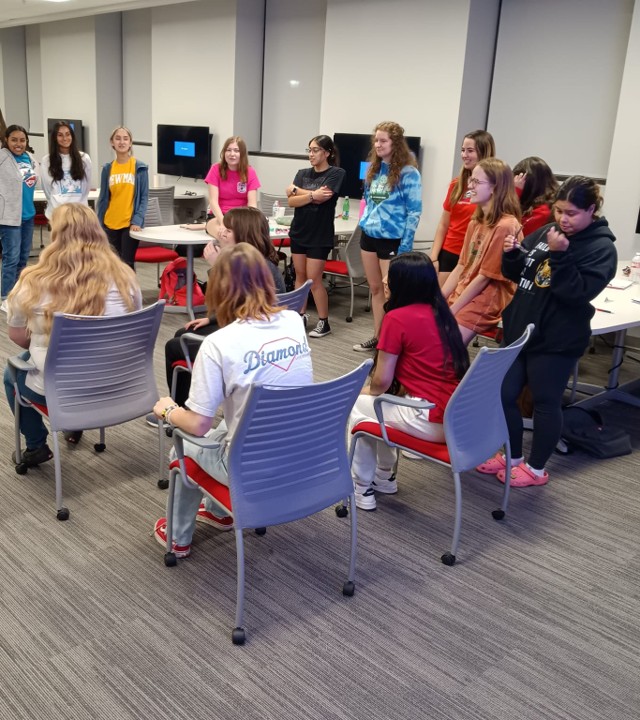 Thesis Showcase
 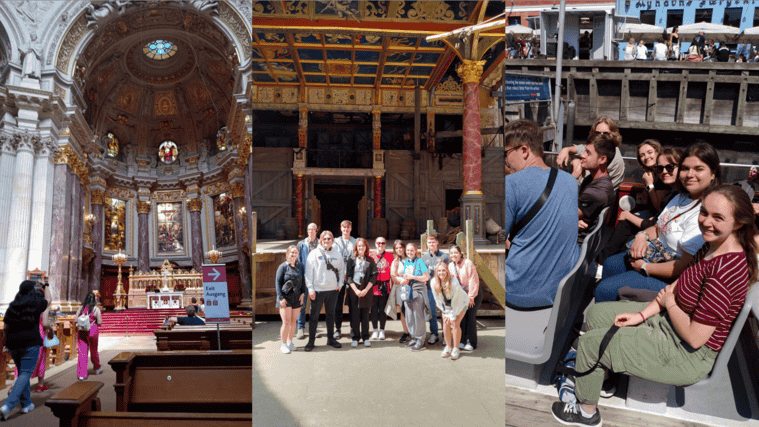 Travel Abroad
 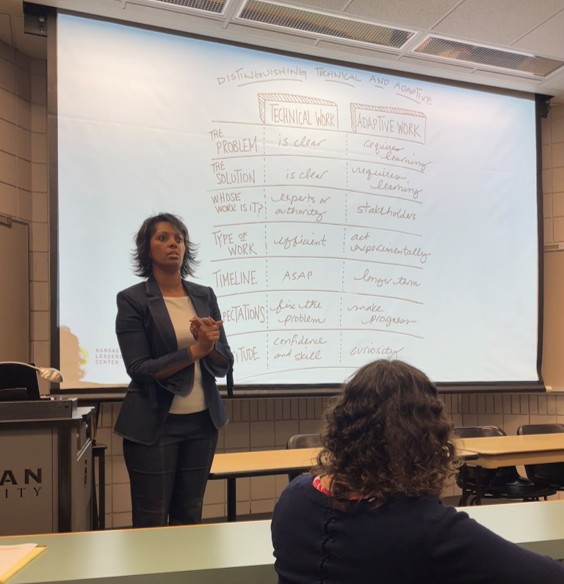 Speaker Series
 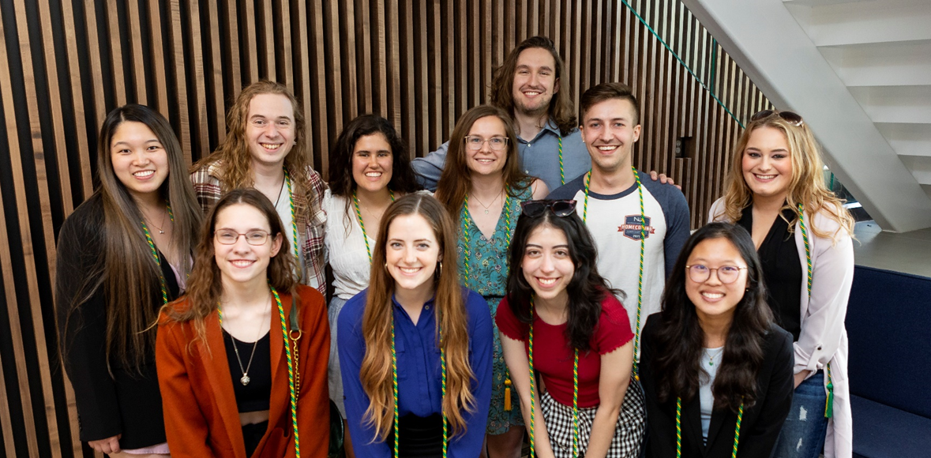 Honors Graduation
 See It For Yourself
Videos from our students and myth-busters about Honors
Click the playlist icon (☰) to see all videos including myth-busters
Where Are They Now?
Honors alumni making their mark

Annie Dang
Family Practice PA, Primary Care Associates
My best memories at Newman were from the Honors Program. It gave me the opportunity to play games and join classes that developed my public speaking and research skills. It even led me to an internship at the United Nations. The Honors Program broadened my college experience which was valuable for graduate school and beyond. Joining the Honors Program was one of the best decisions that I made as a freshman.
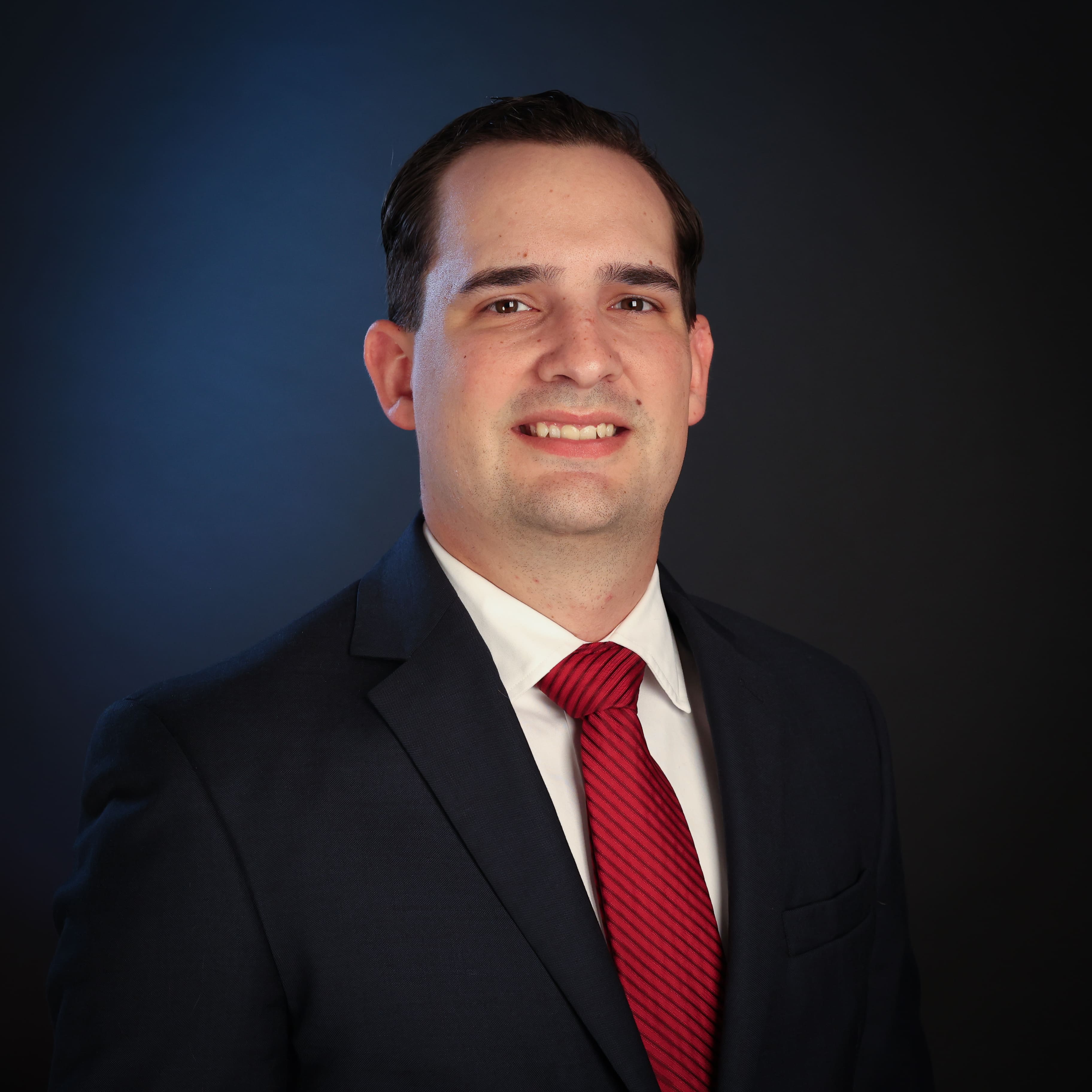
Wesley Williams
Assistant Attorney General, Office of the Attorney General of Texas
The Honors Program at Newman taught me how to view different issues from different perspectives, allowing me to go into any situation being able to understand what others may need from me. Additionally, it taught me to look at the full picture of any scenario and not just what is convenient. The Honors Program is truly a critical program to help develop any student into a successful professional.
Perks & Benefits
What you get as an Honors student
Small Classes
Average class size of 15 students for real discussion
Faculty Mentorship
One-on-one guidance from professors who know you
Research Opportunities
Work alongside faculty on meaningful projects
Honors Distinction
Graduate with recognition on your diploma and transcript
Alumni Network
Connect with honors graduates in your field
$1,000 Scholarship
Annual award renewable for four years
Your Honors Journey
Throughout your four years, you'll have opportunities to explore, grow, and connect in the classroom and beyond.
Speaker Series
Hear from thought leaders, alumni, and experts who share insights and spark new ways of thinking.
Thesis Showcase
Present your senior thesis to family, faculty, and peers — the culmination of your honors journey.
Honors Orientation
Celebrate new members joining the honors community in a meaningful ceremony each fall.
House System
Be part of our Harry Potter-inspired House System, where you'll live, learn, and grow with your housemates.
Travel & Study Abroad
Explore the world through honors travel courses and study abroad opportunities that broaden your perspective.
Ready to Be Part of Something Special?
Join a community of curious minds who support each other and push each other to grow.
Apply to HonorsWant to learn more?

Dr. Kelly McFall
Director, Honors Program
Email Dr. McFallPrimary clinical sites for the NU Nurse Anesthesia Program include:
- Ascension Via Christi (St. Francis Campus) - Wichita, KS
- KS Surgery & Recovery Center - Wichita, KS
- McBride Orthopedic Hospital - Oklahoma City, OK
- Mercy Hospital - Joplin, MO
- Oklahoma City VA Medical Center - Oklahoma City, OK
- Wesley Medical Center - Wichita, KS
Non-primary enrichment clinical sites:
- Ascension St. John - Jenks, OK
- Ascension Via Christi (St. Joseph Campus and St. Teresa Campus) - Wichita, KS
- Cypress Surgery Center - Wichita, KS
- Duncan Regional Hospital - Duncan, OK
- Founder's Surgery Center - Wichita, KS
- Hutchinson Regional Medical Center - Hutchinson, KS
- Integris Health Baptist Medical Center Main - Oklahoma City, OK
- Integris Health Baptist Medical Center Portland Avenue - Oklahoma City, OK
- Jack C. Montgomery VA Medical Center - Muskogee, OK
- KS Spine & Specialty Hospital - Wichita, KS
- McPherson Health Center - McPherson, KS
- Newton Medical Center - Newton, KS
- Norman Regional Hospital - Norman, OK
- Northeastern Health System - Tahlequah, OK
- Pratt Regional Medical Center - Pratt, KS
- Salina Regional Health Center - Salina, KS
- Salina Surgical Hospital - Salina, KS
- Surgery Center of Kansas - Wichita, KS
- Surgicare of Wichita - Wichita, KS
- Wesley Woodlawn Hospital & ER - Wichita, KS
Objectives
Upon completion of the program, the student will be able to:
- Integrate chemistry, pharmacology, pharmacokinetics and pharmacodynamics of anesthesia and adjunct drugs into working care plans
- Recognize chemical structures of anesthesia and adjunct drugs and make lateral applications based upon drug profiles and kinetics
- Discuss normal physiology and anatomy of the central nervous system, respiratory system, cardiovascular system, renal system, endocrine system and digestive system
- Discuss the normal physiologic changes of pregnancy, the physiologic changes in disease/high risk states in pregnancy, and apply the information in the administration of anesthesia to the parturient for delivery and surgical conditions not resulting in delivery
- Explain the pathophysiology of various congenital heart diseases, coronary artery disease, and adult valvular heart disease Identify the anatomy necessary to safely administer regional anesthesia
- Discuss issues related to the practice of nurse anesthesia, including ethics, history, reimbursement, managed care and the business of anesthesia
- Design and conduct a research project
The Master of Science in Nurse Anesthesia will prepare the graduate to:
- synthesize knowledge and apply scientific and scholarly inquiry, analytical reasoning and decision making in the delivery of anesthesia
- assume an advanced role on the health care team as a Certified Registered Nurse Anesthetist (CRNA);
- demonstrate oral and written communication skills inherent in advanced practice;
- analyze health promotion activities and health outcomes;
- incorporate those moral principles that have universal objective validity in advanced practice.
Newman University's Nurse Anesthesia Program measures first time pass rate, six month employment rate and attrition as a means to evaluate program success. Over the last five years the program has demonstrated excellence in attrition as well as performing at or above the national average in 6-month employment:
| Class of | Graduates | 1st Time Pass Rate | 6 Month Employment Rate | Attrition Rate |
|---|---|---|---|---|
| 2023 | 20 | 90% | 100% | 0% |
| 2022 | 20 | 80% | 95% | 0% |
| 2021 | 20 | 75%* | 95% | 0% |
| 2020 | 19 | 84.2% | 100% | 9.5% |
| 2019 | 21 | 90% | 100% | 0% |
| 2018 | 23 | 75%* | 95% | 0% |
* 95% passed within three months.
About the Littlemore College Preparatory Program
The Littlemore College Preparatory Program at Newman University is a virtual gap year program designed to provide a rich immersion in Catholic thought and the great works of Western culture. Our four course program is flexible, affordable, and interactive. Students will leave the program prepared to bring an informed Catholic perspective to any future studies.
Our program is founded on the life and work of St. John Henry Newman and the Integrated Humanities Program created by John Senior and his colleagues here in Kansas several decades ago. Our goals are to inspire wonder and equip students with the critical reading and writing skills that will ensure success in their college careers and prepare them for a lifetime of learning.
Affordable and Flexible
The tuition for each 3-credit course is $750, which means that the entire four-course program can be completed for only $3000 tuition plus fees. The courses are also designed to maximize flexibility while still allowing for meaningful interactions with instructors and other students. For each course there is one 75 minute required Zoom session per week, and the other weekly course work can be arranged around students' schedules. We also welcome students of any age who want the benefit of the material and discussions but do not need college credit. Each course can be audited for only $330.
If you were unable to participate in the Fall 2020 courses, you are welcome to join us for Spring 2021. You can complete the program next fall, or just take one or two courses this spring.
Courses for Spring 2021
Contemporary Great Books (Meets Thursdays 2:25-3:40, January 21 to May 6, 2021)
The nineteenth and twentieth centuries were times of rapid transformation across all sectors of society. Scholars, authors, and poets sought new ways of describing the Good, True, and Beautiful and means of applying them to modern questions and problems. Stretching from St. John Henry Newman to Flannery O'Connor, this course will survey great essays, poetry, and works of fiction.
Course Texts: George Bernanos, The Diary of a Country Priest; Evelyn Waugh, Brideshead Revisited; Ralph Ellison, Invisible Man; Shusaku Endo, Silence; and Mary Shelley, Frankenstein; In addition to those required texts, we will study a range of short stories, poems, and essays from figures like Jane Austen, Hopkins, Tolkein, and more.
Cultivation of Mind (Meets Wednesdays 2:00-3:15, January 20 to May 5, 2021)
Benedict XVI, the day before John Paul II died, declared that "to live a faith that comes from the Logos, from creative reason, [is to be] also open to all that is truly rational.” This course focuses on the cultivation of the mind by unifying all that is truly rational from the various intellectual disciplines that make up a student's education and the university as a whole. This interior process will be reinforced through the exploration of examples and counter-examples of prolific thinkers and writers in a multitude of fields.
Course Texts: Simon Leys, Halls of Uselessness;;Simone Weil, Love in the Void; Joseph Pieper, "The Silence of St. Thomas"; Etienne Gilson, The Unity of Philosophical Experience; Gertrude von le Fort, The Song at the Scaffold; Annie Dillard, The Pilgrim at Tinker Creek. In addition to those required texts, we will study a range of other works by St. John Henry Newman, Wendell Berry, Tolkein, and more.
Courses for Fall 2020
Renaissance Great Books (Meets Thursdays 2:25-3:40, August 27 to December 10, 2020)
At the beginning of the fifteenth century, the intellectual life of Europe found a new home in Italy among the Christian humanists. This effectively brought the Middle Ages to an end, and initiated a rebirth of learning. Renewed contact with ancient Greek classics, as well as new political realities prompted the emergence of the “liberal arts.” In the early sixteenth century, the Protestant Reformation broke on the scene, and the Catholic Church responded with a number of initiatives known as the Counter-Reformation. Concurrent with this, experimental science offered new methods for explaining reality and defining truth. These three world-shaking developments, the Renaissance, the Reformation, and the Scientific Method produced an age of tension and genius. During these centuries St. Teresa D’Avila reformed the Carmelite order and the Jesuits rose up to re-evangelize Europe and lead missions into the East and the Americas. They also gave rise to some of our most cherished literary masterpieces by the likes of Shakespeare and Cervantes. As Pope Benedict XVI has said of the great figures of the Renaissance, “[Such individuals played] an active role in affirming that concept of man which left its mark on the history of Europe, drawing strength from Christian values.”
In this course, students will participate in the potent ideas that fueled the Renaissance and Early Modern Period. They will contemplate how the Church continued her mission even after her unity was threatened, and other institutions had emerged as her rivals. This course is the third in a series that progresses through the historical development of Catholic culture.
Course Texts: Dr. Faustus by Christopher Marlowe, Henry IV Parts 1 & 2 by William Shakespeare, Don Quixote by Miguel Cervantes, Pensées by Blaise Pascal, Paradise Lost and Samson Agonistes by John Milton, The Lusiads by Luís Vaz de Camões, The Hind and the Panther by John Dryden, "All Hallowstide" by Jonathan Edwards, and the Autobiography of St. Teresa of Avila.
Philosophical Habit of Mind (Meets Wednesdays 2:00-3:15, August 26 to December 9, 2020)
John Paul II, in his encyclical Fides et Ratio, states: “Without wonder, men and women would lapse into deadening routine and little by little would become incapable of a life which is genuinely personal.” This course attempts to introduce this relationship between the personal and the wonderful through an introduction and immersion into what St. John Henry Newman calls “The Philosophical Habit of Mind". It will do so by paying attention to how thinkers describe the cast of intellect necessary to engage in broad modes of inquiry native to philosophical thought, and examining the lives that provide demonstration of such exemplary thought. The beginning of the course will be laid by exploring foundational texts regarding the relationship between thought and biography, and will move on to works that focus on the lives of various philosophers, Saints, and thinkers. The class will finish by looking into the habit of mind being exemplified in the work of selected contemporary thinkers and culminate in a research project completed by each student into the life and work of a selected thinker.
Course Texts: Leisure the Basis of Culture by Josef Pieper, The Lives of the Philosophers by Diogenes Laertius, The Dialogues by St. Gregory the Great, Stages on the Road by Sigrid Undset, My Bondage and My Freedom by Frederick Douglass, and Edith Stein: A Philosophical Life by Alasdair MacIntyre.
If you'd like to be contacted by one of our faculty members to learn more about the Littlemore College Preparatory Program, submit the form below and we'll reach out to you soon.